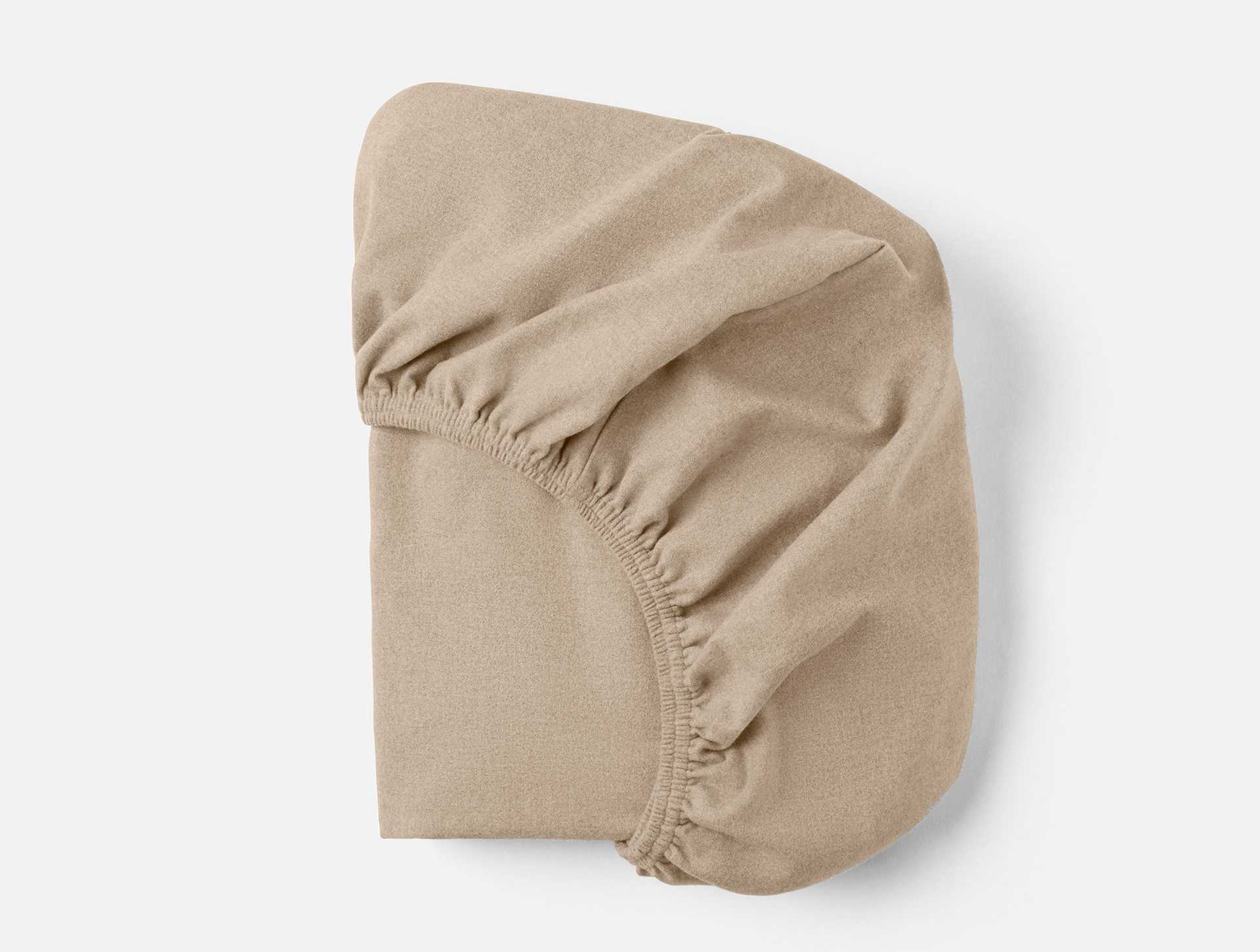
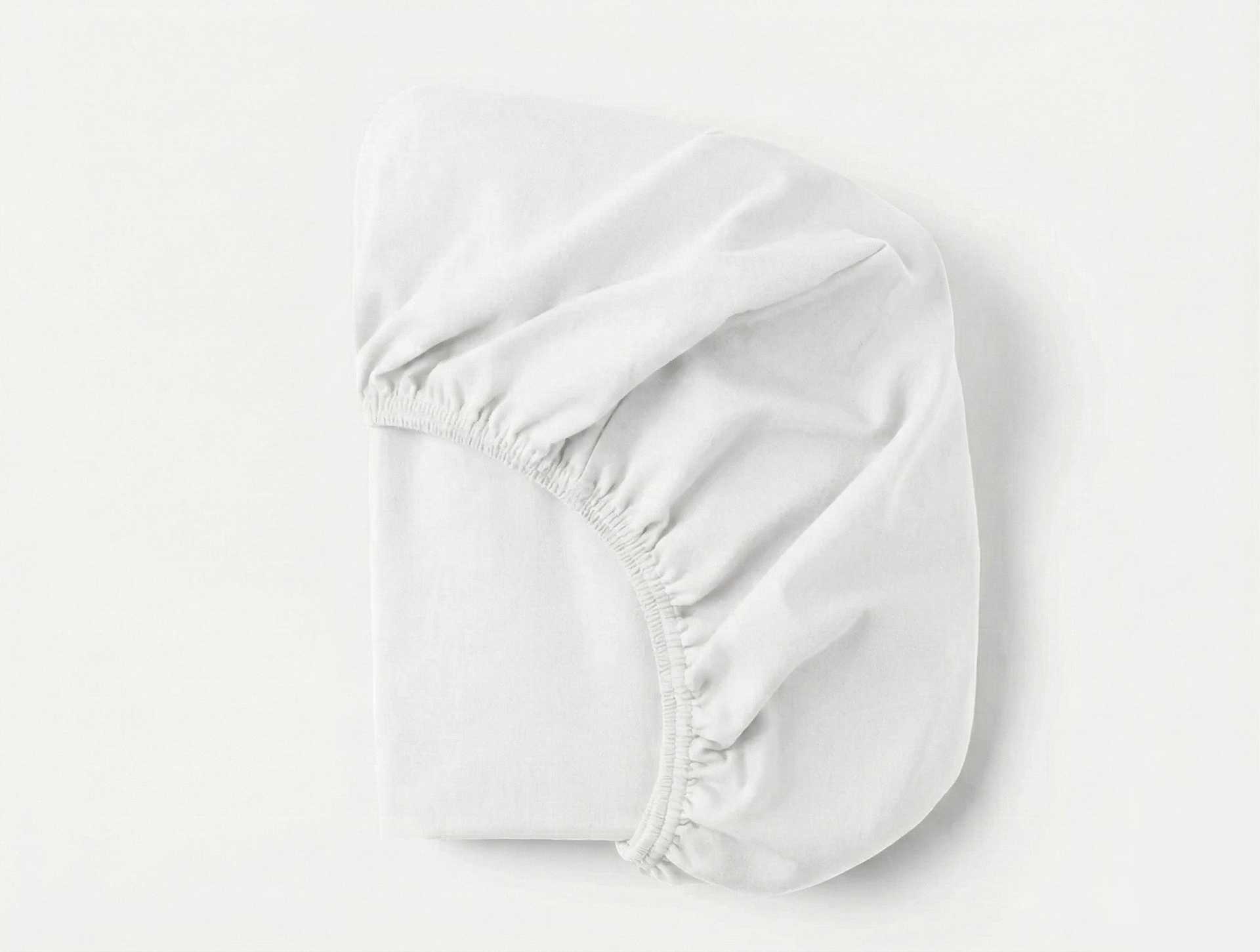
Sheets are a foundational element of sleep spaces, offering a direct touchpoint with comfort and hygiene. In this category, materials, thread counts, weave types, and care requirements influence temperature regulation, breathability, and durability. Understanding the distinctions between cotton, linen, and microfiber sheets helps align chosen textures with climate, skin sensitivity, and mattress compatibility.
Key features to assess include fiber length, weave strength, and finish treatments. For example, long-staple cotton typically delivers softness and strength, while percale weaves emphasize crispness and cooling feel. Grooved or sateen finishes can alter sheen and texture, impacting how sheets slip against blankets and pillowcases, as well as overall bed height and fit.
Within this category, the DownTown Company Chelsea Sheet Sets illustrate practical benefits such as size accuracy, deep pocket designs, and colorfastness. These sheets commonly provide secure elastic corners, breathable fabric structures, and easy-care laundering, which support consistent fit and reduced pilling over time, contributing to long-term usability and comfort.
Understanding matching principles for bedding includes pairing sheets with comforters, pillows, and duvet covers to optimize temperature balance and tactile harmony. Options across fabrics influence moisture-wicking properties, heat retention, and tactile warmth, making it important to consider existing sleep preferences, seasonal changes, and room ambience when selecting sheets.
The inclusion of down pillows and down comforters alongside sheet sets highlights material interactions that affect overall sleep quality. Breathable sheet fabrics help regulate microclimates when layered with insulating bedding, while skin-friendly finishes reduce irritation. Meta keywords such as bedding, comforters, down comforters, pillows, and down pillows reflect the broader relevance of this category to restful, hygienic sleep environments.
 Bedding