Filters in a bedroom context refer to devices designed to improve air quality by removing particulates and contaminants from the air we breathe while resting. These filtration systems can be integrated into ventilation setups or standalone units, supporting environments with reduced dust, pollen, and microbial matter. Understanding their filtration stages helps users select solutions aligned with personal health and comfort needs.
Bedroom machine filters typically involve multi-stage media designed to capture fine particles. Common components include pre-filters for larger debris, HEPA or equivalent high-efficiency layers for small particulates, and activated carbon for odors. The combination aims to sustain a cleaner sleep environment and minimize irritants that affect breathing and sleep quality.
Key features to consider are filter efficiency, matte or glossy housing compatibility, noise levels, and energy consumption. Functional benefits include enhanced air purity, reduced allergen exposure, and potential improvement in humidity balance when paired with dehumidification. These factors contribute to a more consistent microclimate within bedrooms and restful nights.
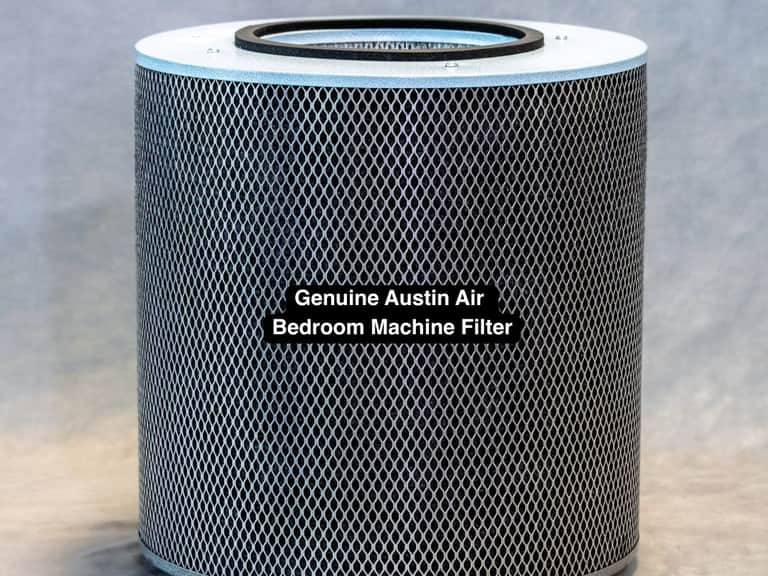
In practical use, filters suited for bedroom settings address pollutants such as dust, pet dander, pollen, and volatile organic compounds. The included products, like Bedroom Machine Filter variants, emphasize durability, replaceable media, and straightforward maintenance. Such design choices support long-term performance without requiring extensive technical know-how.
Understanding how filters interact with bedding materials such as bedding, comforters, down comforters, pillows, and down pillows helps users select compatible solutions. By aligning filtration capabilities with personal sensitivities and room occupancy patterns, households can sustain cleaner air during sleep and daytime rest, contributing to overall well-being.
 Air Purifiers